




COURTS
Get Citation Records Into Your CMS Faster.
ROMEO is a secure, web-based court tool that delivers structured citation data electronically into your existing case management.
By aligning citation data to your CMS at the point of delivery, ROMEO reduces manual re-entry, and improves consistency at the start of the case lifecycle.

Testimonial
“Onboarding was smooth, the software is easy to use, and their support team is always responsive.”
Mirla Veronica Deaton
Assistant Director
Brownsville Municipal Court
Work in Your CMS, Not Around It
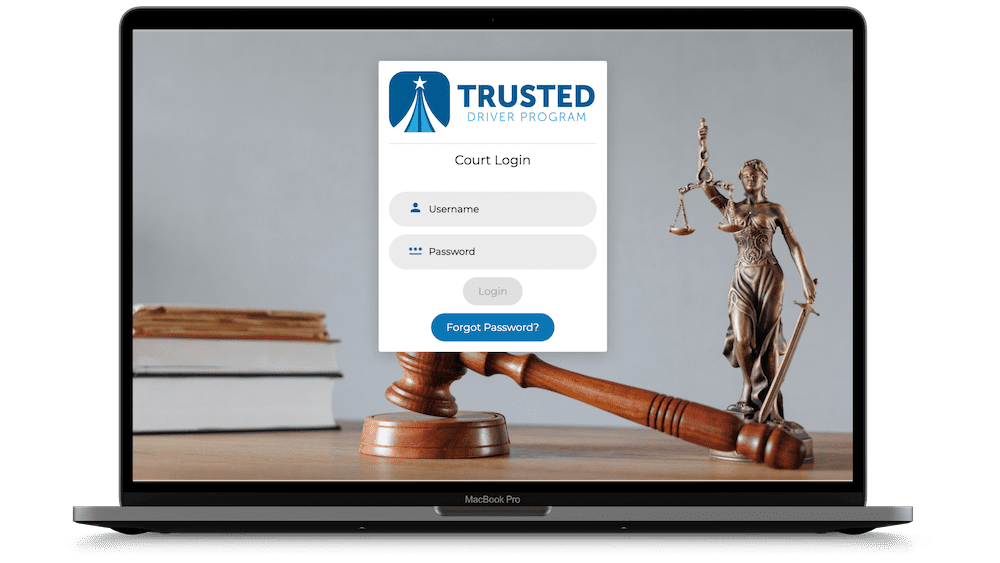
ROMEO is a secure, web-based portal that court staff use to receive and review incoming citation records.
When integration is in place, structured citation data is delivered electronically into your CMS. Your CMS remains the system of record.
ROMEO also includes court-controlled messaging and document upload tools that support communication with the public.
What courts get with ROMEO
- Faster intake Citation records can be received electronically instead of waiting on paper delivery.
- Fewer corrections needed Standardized data reduces missing or inconsistent fields that slow case setup.
- Less duplicate entry Staff are not rebuilding the same citation record by hand when integration is in place.
- Clearer record consistency The citation received by the court reflects the structured data captured at the time of issuance.
- Court-controlled public access Public-facing features are enabled only if the court chooses.
Citation Intake Challenges
Courts often receive citation records in ways that require manual review before a case can be opened.
Paper citations may arrive days later. Electronic files may still require staff to re-enter details into the case management system. Missing or inconsistent fields can slow down docketing and create follow-up work.
Even small intake variations can lead to:
- Additional data entry
- Clarification calls or emails
- Corrections after a case has already been created
- Delays in reporting
These issues are common in citation workflows. They are also solvable.
ROMEO is designed to improve how citation data arrives at the court. By delivering structured citation records electronically in a format aligned with your CMS, courts can reduce manual re-entry, limit intake corrections, and create greater consistency at the start of the case lifecycle.
The goal is straightforward: cleaner intake, fewer delays, and less time spent fixing preventable errors.
How ROMEO Works
How does ROMEO work with a court’s case management system?
Structured citation data is delivered electronically in a format aligned with your existing case file structure.
Integration is coordinated with court staff and, where applicable, your CMS vendor to support technical alignment.
The goal is consistent intake without changing how your court manages cases.
Your CMS remains the system of record.
Is this a separate platform courts must work in every day?
No.
When integration is established, courts continue working inside their existing CMS. The portal is available for visibility and reference but is not intended to replace your system.
If integration is not available, the portal provides a secure way to receive and download citation records electronically.
How does this connect to a law enforcement agency’s E-Citation system?
How does this improve communication between the court and the public?
The Public Access Portal is the public-facing side of the system. Individuals can view citation information online and, where enabled, send messages or documents to the court.
Court staff have visibility into those messages and retain full control over instructions, deadlines, and available options as configured by the court. Information presented through the portal reflects court policies and established judicial processes.
Built to Align With Your Environment
Implementation is coordinated to minimize disruption to daily court operations.
ROMEO is designed to:
- Deliver structured citation data electronically
- Reduce intake variation
- Support cleaner reporting
- Allow courts to continue using their existing CMS and established judicial processes
The focus is not adding another system. The focus is improving how citation data arrives and how consistently it is structured.